
Planning a decking project during the winter months is more common than you might think. Many homeowners use this time to research materials, compare options, and get ahead of the spring building season.
One of the biggest decisions in the early planning stage is choosing between wood and composite decking.
Each option has its strengths, but the harsh conditions of a Canadian winter can highlight the differences in durability, maintenance, and long-term value.
Understanding Your Environment: The Reality of Canadian Winters
Before comparing materials, it helps to understand why decking in Canada requires careful consideration.
Winters here can be unpredictable and intense. Across the country, homeowners face:
- Extreme freezes and thaws that cause materials to expand and contract
- Large accumulations of snow and ice
- Extended periods of moisture
- Low temperatures that stress natural materials
- UV exposure during sunny winter days
Any decking material you choose has to withstand moisture, temperature swings, and heavy use throughout the year.
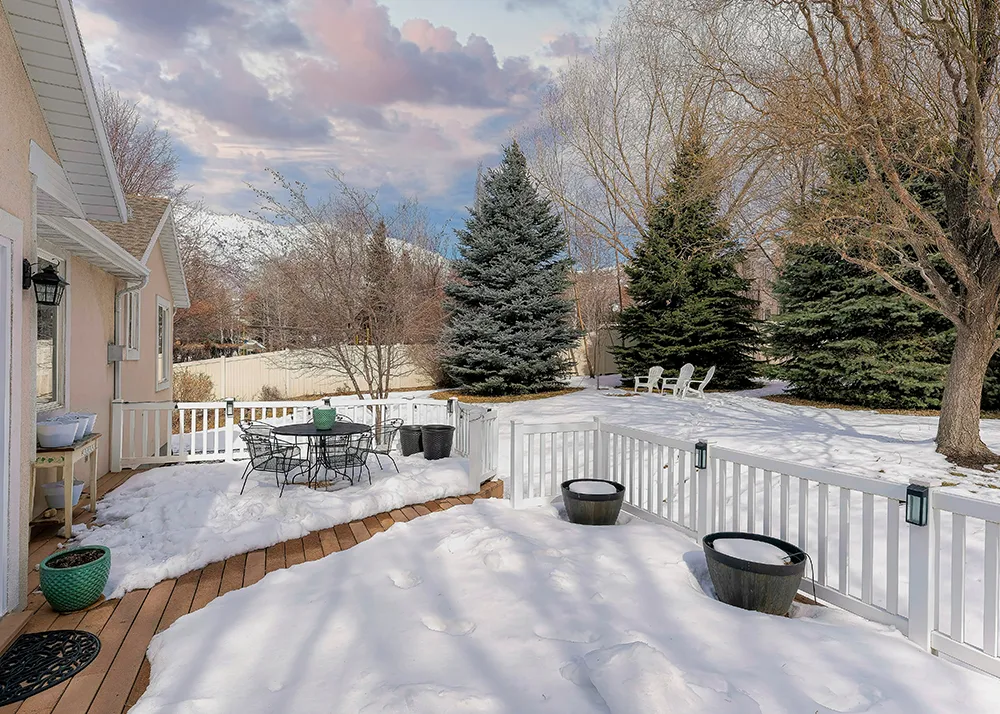
The goal is to choose a surface that stays safe, strong, and attractive through every season.
Wood Decking: Warmth, Character, and Natural Beauty
Wood has been a classic choice for decks for decades. It offers a natural look and warmth that many homeowners love.
In a Canadian climate, however, wood reacts strongly to winter conditions, which means extra attention is required.
Pros of Wood Decking
Wood remains popular because of its timeless look and versatility. Benefits include:
- A natural, organic appearance
- The ability to stain or paint in any colour
- Often more affordable upfront than composite decking
- Easy to customize or modify over time
If you enjoy a traditional feel and don’t mind regular maintenance, wood can be a beautiful option.
How Wood Performs in Winter
Winter is tough on natural wood. Moisture from snow and ice can seep into boards, and once the temperature drops, that moisture freezes and expands.
Over time, this can create cracks, splintering, or warping.
The freeze-thaw cycle also affects fasteners and can cause boards to shift.
Wood decks may require:
- A fresh sealant or stain every 1–3 years
- Regular snow removal to prevent moisture buildup
- Annual inspections for rot or soft spots
Without the right care, a wood deck can age quickly in our climate.
Maintenance Expectations
Many homeowners underestimate the level of maintenance needed for wood decking.
To keep it looking its best through Canadian winters, you should plan for tasks such as:
- Power washing in the spring
- Sanding and resealing to protect against moisture
- Replacing damaged boards when necessary
For homeowners who appreciate hands-on upkeep and want the classic feel of wood, this maintenance may be worth it.
However, if ease of care is a priority, composite decking may be a better fit.
Composite Decking: Strength, Stability, and Low Maintenance
Composite decking has become a leading alternative to wood, especially in climates with extreme weather.
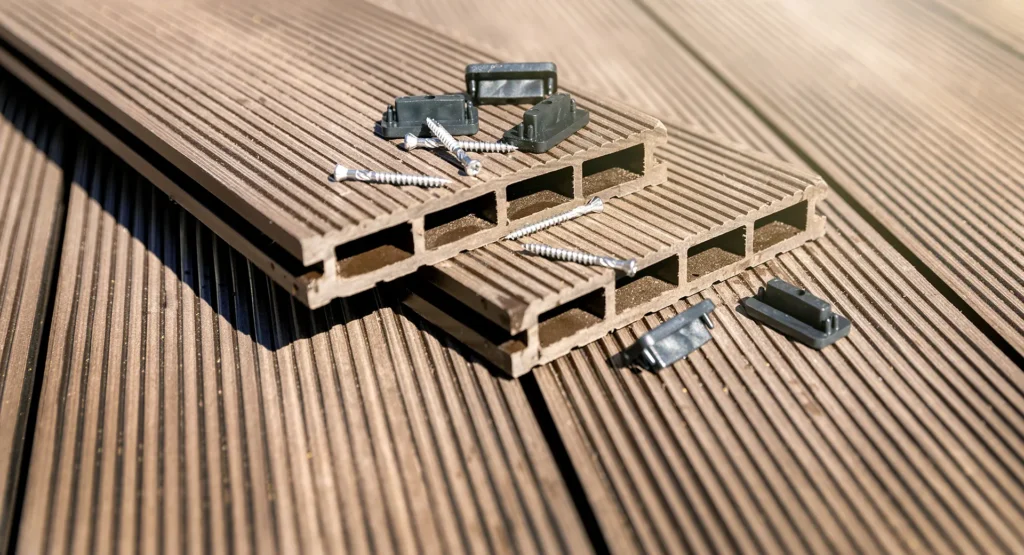
Made from a blend of recycled wood fibres and durable plastics, composite boards are designed to resist moisture, fading, and structural changes.
Key Advantages of Composite Decking
Composite decking is engineered to solve many of the problems wood experiences in winter. Benefits include:
- Exceptional resistance to moisture and rot
- Boards that will not splinter, warp, or crack
- Minimal maintenance. No staining, sanding, or sealing
- Long-term colour retention
- A wide range of modern styles and textures
These qualities make composite decking especially appealing for homeowners who want durability without the ongoing upkeep.
Performance in Canadian Winters
Composite decking typically performs better than wood in cold climates.
Since the boards are more stable, they resist expansion and contraction during freeze-thaw cycles.
They also repel moisture, which reduces the risk of mould and structural damage.
Other winter-friendly features include:
- Slip-resistant textures that improve safety in icy conditions
- Strong resistance to snow-melt chemicals and road salt
- Colour that fades more slowly than wood exposed to UV light
Composite decks maintain their shape and appearance season after season, even with heavy snow loads.
Maintenance Expectations
One of the biggest advantages of composite decking is its low maintenance.
A simple wash with mild soap and water in the spring is usually all it needs. There is no need to sand, re-stain, or reseal the boards.
This makes composite decking a strong choice for homeowners who want long-term convenience and a consistently clean, modern look.
Comparing Aesthetics: Natural Warmth vs. Modern Design
Aesthetics often play a big role in choosing decking materials, as homeowners look for characteristics that are going to improve the look and value of their home.
Wood’s Appearance
Wood offers a naturally warm and inviting look. Every board has its own grain and character, which adds charm and authenticity.
However, wood colours fade over time, especially when exposed to winter weather. Regular staining is required to maintain a consistent tone.
Composite’s Appearance
Composite decking has evolved significantly over the years.
Modern boards now mimic the texture and colour variations of real wood while offering greater colour stability.
Whether you prefer deep, rich tones or lighter, contemporary styles, composite options provide flexibility without the fading associated with natural wood.
Cost Considerations: Short-Term vs. Long-Term Value
The upfront cost is often one of the deciding factors in choosing decking material.
Wood is usually less expensive to purchase at the start, which makes it appealing for budget-conscious projects.
The trade-off is the long-term maintenance costs. Regular sealing, staining, and repair work can add up quickly, especially in a climate that stresses wood each winter.
Composite decking has a higher upfront cost but lower long-term expenses.
As maintenance needs are minimal, you save time and money year after year.
Many homeowners find that composite decking provides better overall value over the lifetime of the deck.
Making the Right Choice for Your Home
Choosing between wood and composite decking ultimately depends on your lifestyle, budget, and design preferences.
Here is a quick summary to help guide your decision:
Choose Wood If You Want:
- A traditional, natural aesthetic
- The flexibility to repaint or restain
- A lower upfront investment
- A hands-on approach to maintenance
Choose Composite If You Want:
- A deck that withstands Canadian winters with minimal maintenance
- Long-term durability and colour stability
- A modern, clean look
- Strong resistance to moisture, mould, and warping
Start Planning with Royal Stone Group
Selecting the right decking material is an important part of planning your outdoor space, especially in a climate with weather as variable and demanding as Canada’s.
If you are looking for guidance or want expert recommendations tailored to your property, Royal Stone Group is here to help you explore the best options for your winter or spring build.
Connect with us today to take the first step toward your decking project.